
A counselor listens to a rape victim at an ICRC-supported "listening house" one of numerous such sanctuaries near the fighting in the DRC where victims can receive medical support and emotional support.
On 24 June 1859, during the War of Italian Unification, Franco-Sardinian forces clashed with Austrian troops near the small town of Solferino in northern Italy. More than nine thousand wounded took refuge in the village of Castiglione, lying dispersed and unattended.
On that day, a gentleman by the name of Henry Dunant, a citizen of Geneva, Switzerland, was travelling in the area. He was shaken by the human suffering, resulting from the war. He mobilized a small army himself. An army of local volunteers, mostly women to care for the wounded, wash and dress their wounds, and to provide shelter and basic food.
In 1862 he published a book entitled "A Memory of Solferino", in which he described the battle and the wounded of the Chiesa Maggiore, concluding with a question:
"Would it not be possible, in time of peace and quiet, to form relief societies for the purpose of having care given to the wounded in wartime by zealous, devoted and thoroughly qualified volunteers?"
That question would set the basic principle of the International Red Cross and Red Crescent Movement, which is now to the largest humanitarian network in the world.
Dunant also asked the military authorities of various countries another basic question:
..whether they could formulate "(...) some international principle, sanctioned by a convention and inviolate in character, which, once agreed upon and ratified, might constitute the basis for societies for the relief of the wounded in the different European countries?".
This second question was the basis for
The Geneva Conventions.
2009 marks 150th anniversary of the battle of Solferino and the 60th anniversary of the four Geneva Conventions. To put these anniversaries into the spotlight, the Red Cross Movement has launched a campaign,
Our World. Your Move, to remind everyone of our individual responsibility to lessen human suffering.
The photography exhibition "Our World at War," scheduled to tour 41 countries, is one of the events of this campaign. Life magazine
features several of the pictures.
Picture courtesy Ron Haviv (ICRC - VII)
Read the full post...

 If you are a humanitarian aid worker, or just generally interested in the situation in Haiti:


 We have featured


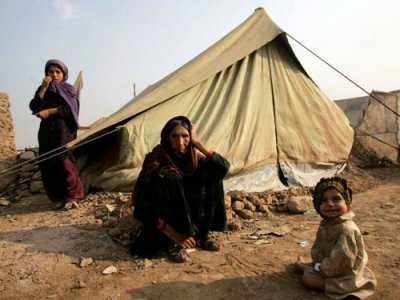


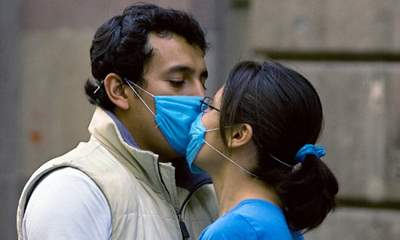


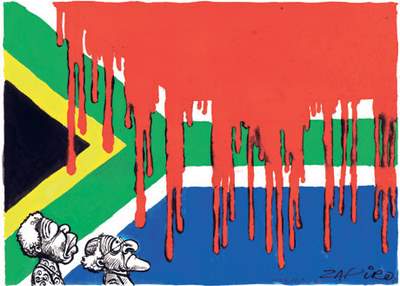
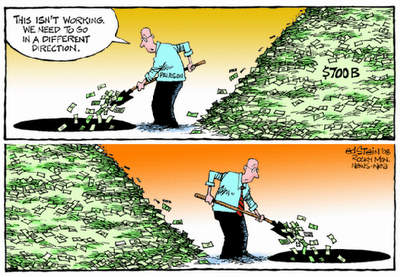

 The 21 super deluxe espresso machines, costing several thousands of dollars each, at the EU headquarters in Brussels broke in less than a year. It was a mystery which resulted in a legal action against the supplier of the machines.
 Over 100


 Peter. Flemish, European, aid worker, expeditioner, sailor, traveller, husband, father, friend, nutcase. Not necessarily in that order.


@abzole
@adoostdar
@alirezasha
@anonymousiniran
@avahedi
@azarnoush
@bahadorn
@Bahram81
@bta_f
@Change_for_Iran
@duckdaotsu
@fafamx
@farnamb
@Ghattavi
@gita (protected)
@hamednz
@huti_421
@iran09
@iranbaan
@IranElection09
@IranPishi
@IranRiggedElect
@IranUltimatum
@jadi
@jimsciuttoABC (left?)
@jubinahdi
@knv
@LaraABCNews
@madyar
@mahdi (protected)
@mehri912
@mhrshd
@MiladRevolution
@mohamadreza (protected)
@mohandesalireza
@monshi
@mousavi1388
@Mynumberone1988
@mtux (protected)
@openiran
@parastoo
@parhamdoustdar
@persiankiwi
@pleasesaveiran
@PouyanA
@ralavi
@ramezanpour (protected)
@SadeqEn (protected)
@sasan_j
@Shahrzadmo
@smileofcrash
@StopAhmadi
@TehranBureau
@tehranelection
@VoiceofIran
@willyong
@WhereIsMyVoteIr
@zahrahb
For a good real-time overview of the latest Twitter updates and news overview on the post-election protests, check Twazzup.
Update: June 19
There has been an active debate on other blogs and websites whether or not we should publish this list. See also the comments on this post.
Do we put people's lives in danger? I asked some of the Twitterers in Iran, but did not get an answer.
My view is: Nobody in Iran will come onto a public medium unless they consciously choose to do so. All of them hide their real identity, and actively request people to re-broadcast the information they are giving from the ground, especially as the traditional media have been put on restraint.
An interesting post on this subject, you find on the Traveller Within.
Update: June 20
On my own initiative, I deleted those who did not seem to take enough precautions in hiding their identity.
Update: June 22
On the same topic, this tweet came out today: "@shahrzadmo: State TV: Send your videos to Police so they recognise the "rioters" and arrest them!"... Does this also mean bloggers around the world should not republish YouTube videos from the protests, so people don't get identified?
For an overview of the role of social media in "post-election Iran", check this post.
Input thanks to h3x.no, reddit.com, Mohamed, Simon, Daily Dish and fellow twitter users.
Picture courtesy Madyar